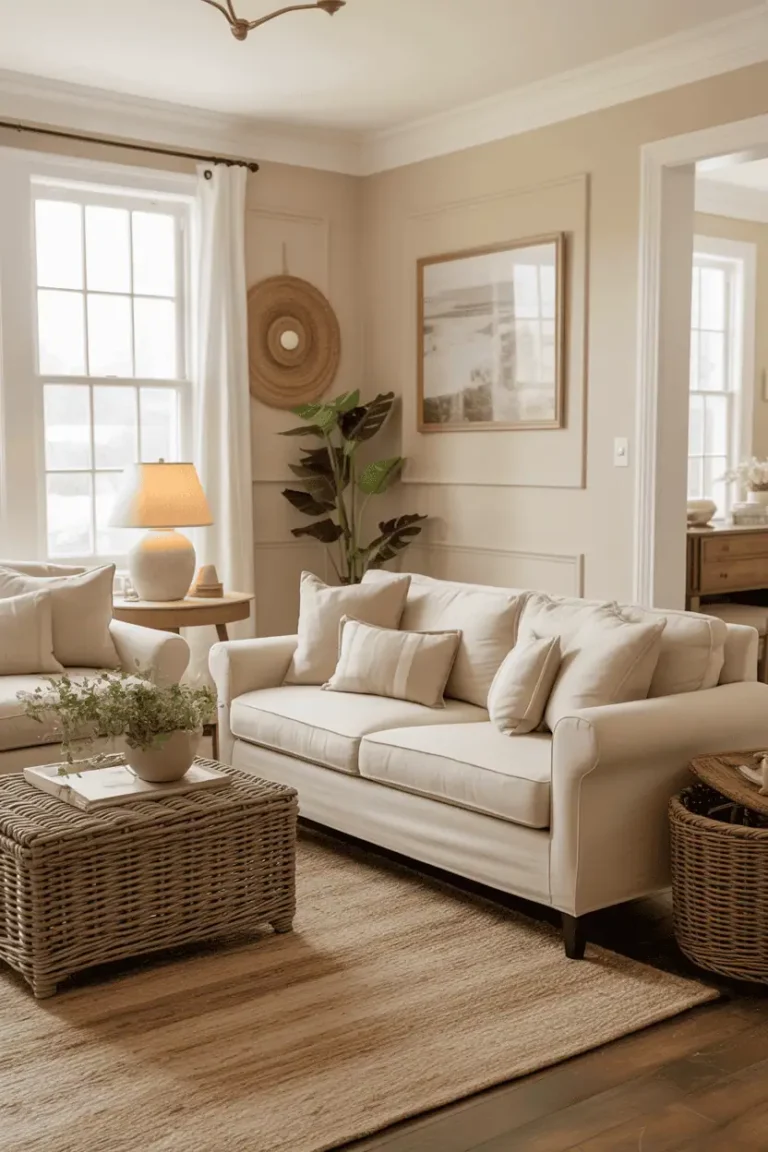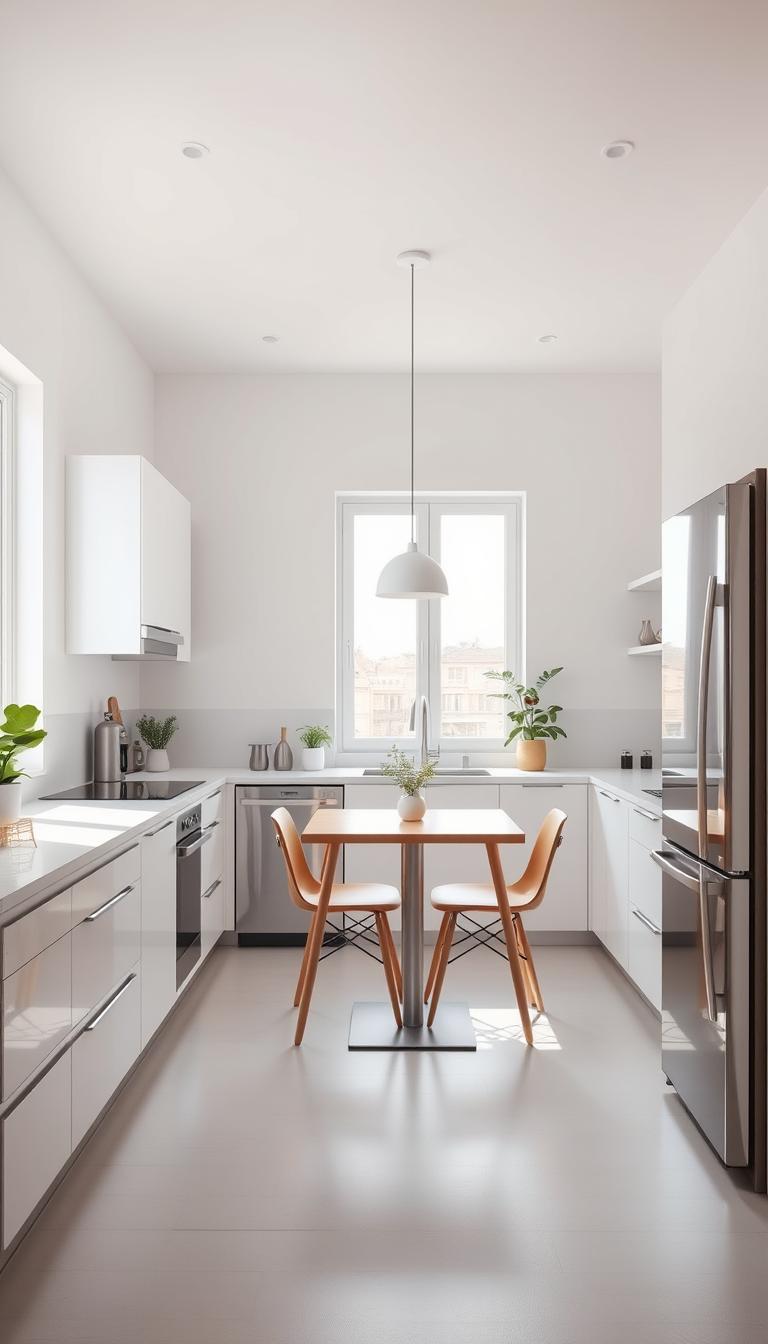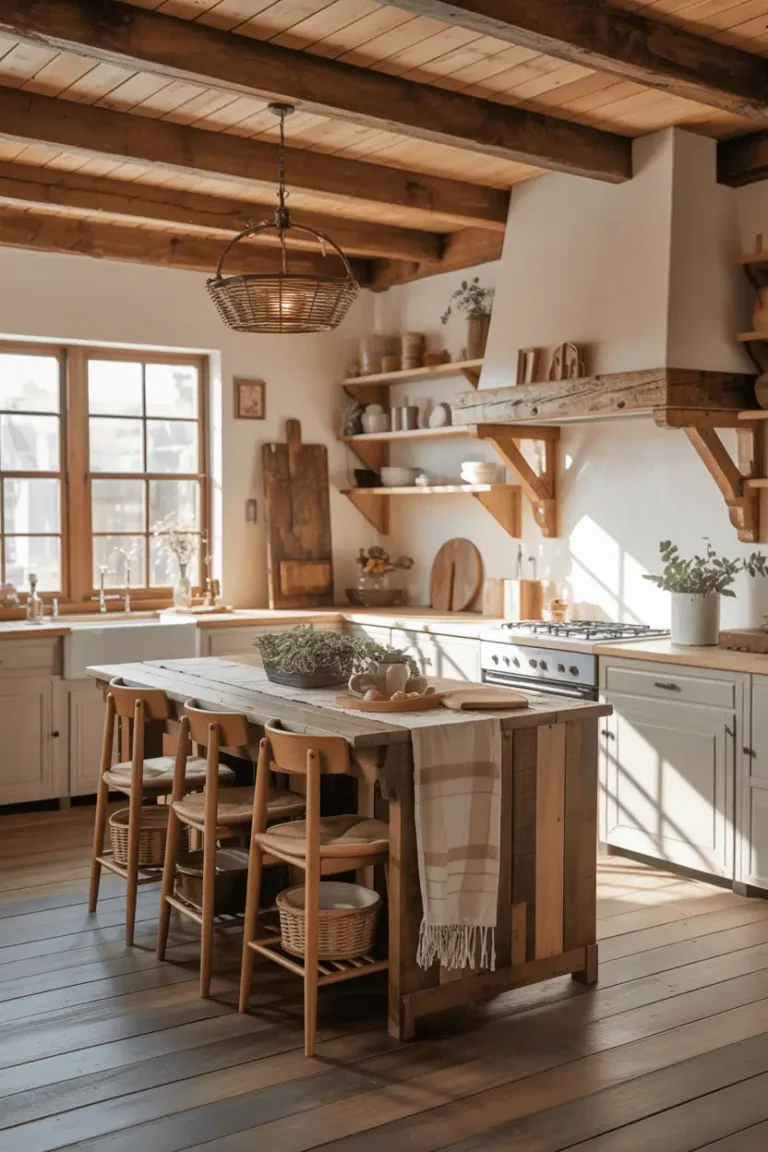
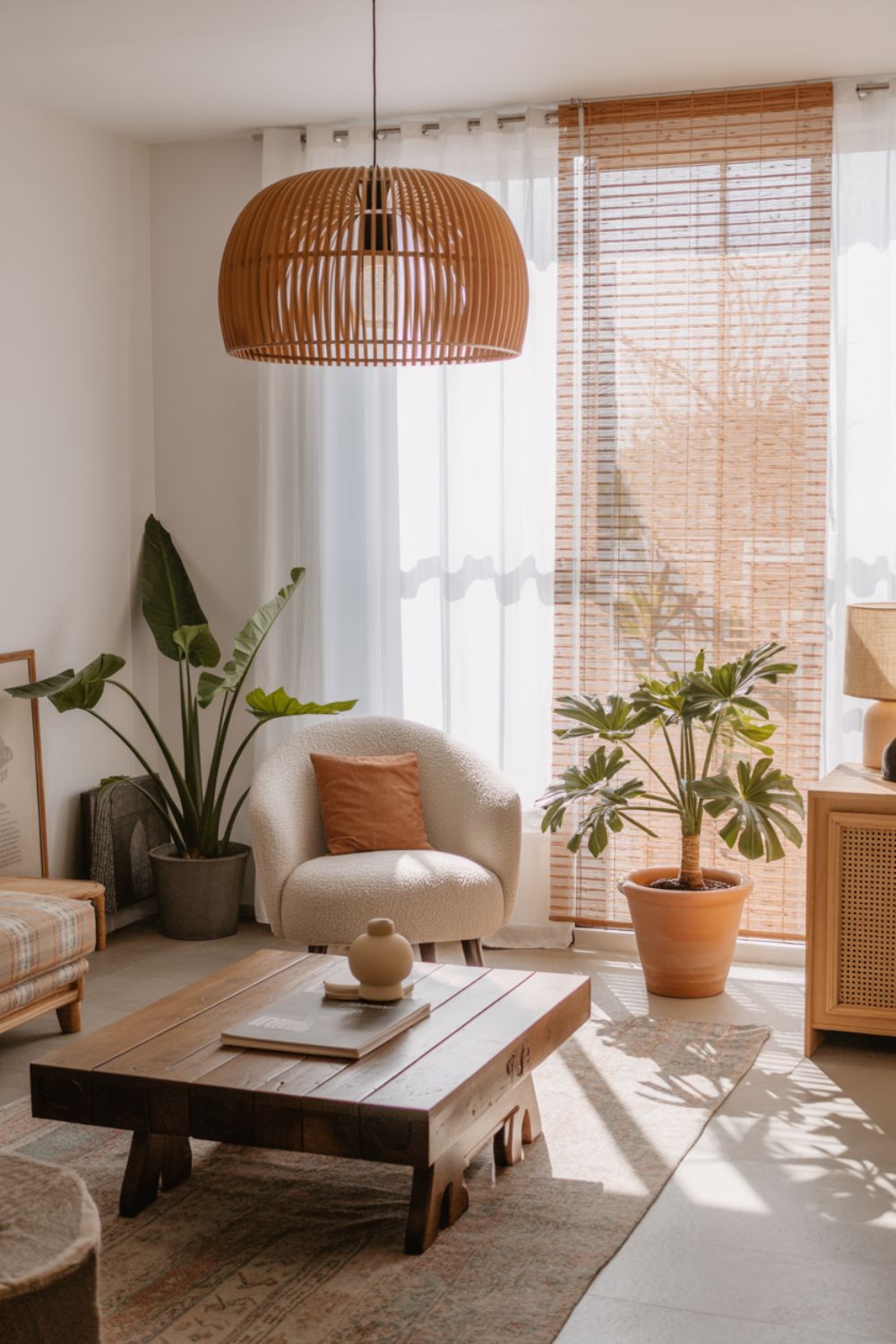
When you walk into a living room that feels instantly welcoming, it’s often texture—not color or furniture alone—that makes the difference. Textures engage both sight and touch, layering comfort and character into your space. Whether you lean modern, eclectic, or cozy farmhouse, using texture intentionally can turn your living room into a stylish sanctuary.
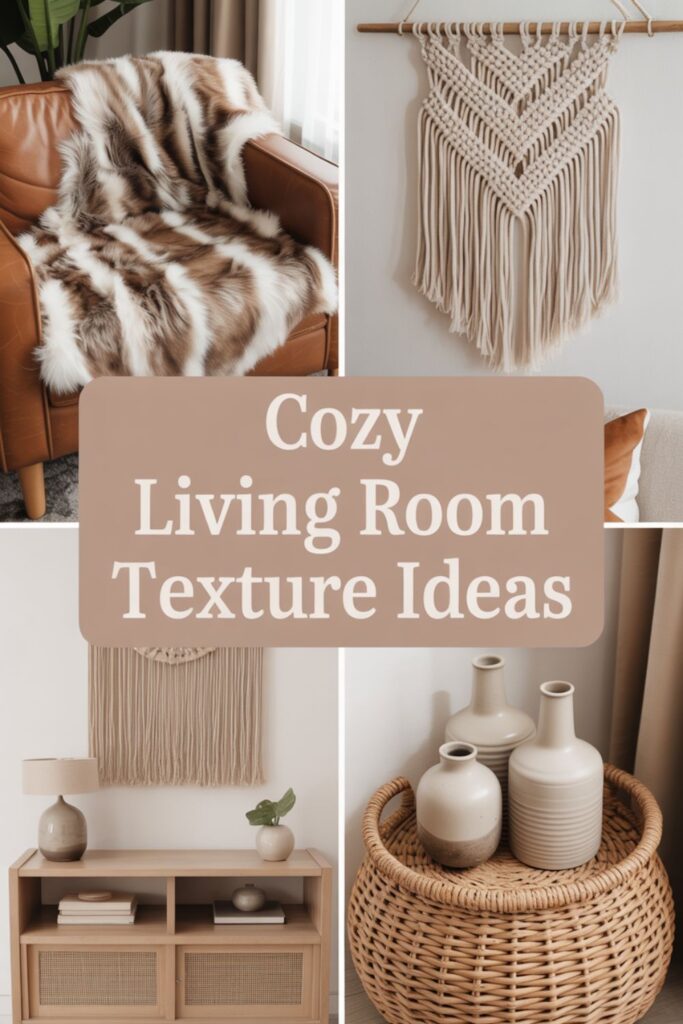
💡 “If you’d like to explore the psychology of texture and learn more about how it creates coziness, check out my full guide on Textured Living Room Design.”
Here are 12 textured living room ideas to inspire your next design update.
1. Layer Luxurious Textiles
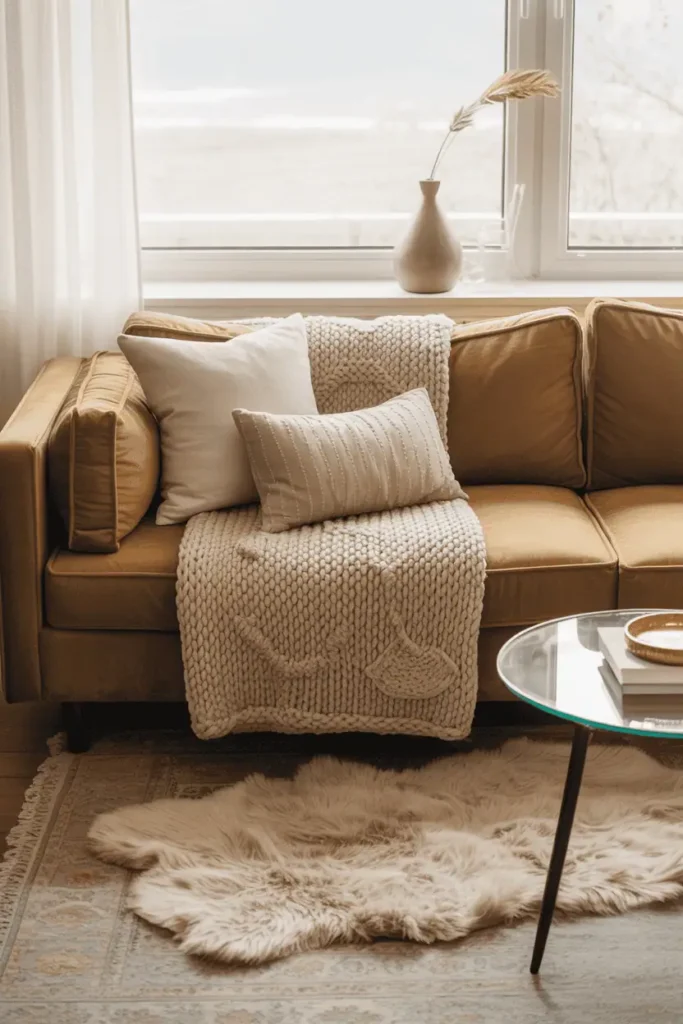
Textiles are the foundation of a textured design. Start with big pieces like sofas and rugs, then add layers with throws, pillows, and curtains. Mixing fabrics with different weights and finishes creates instant depth. A velvet sofa feels rich and polished, while linen pillows add a casual softness. Drape a chunky knit throw across the armrest and place a faux fur rug underfoot for tactile variety.
The key is balance: stick to a cohesive color palette so your textures don’t compete. For example, in a neutral beige scheme, add depth with cream bouclé, caramel leather, and soft ivory wool. The result feels intentional, not cluttered.
2. Create a Statement Wall Treatment
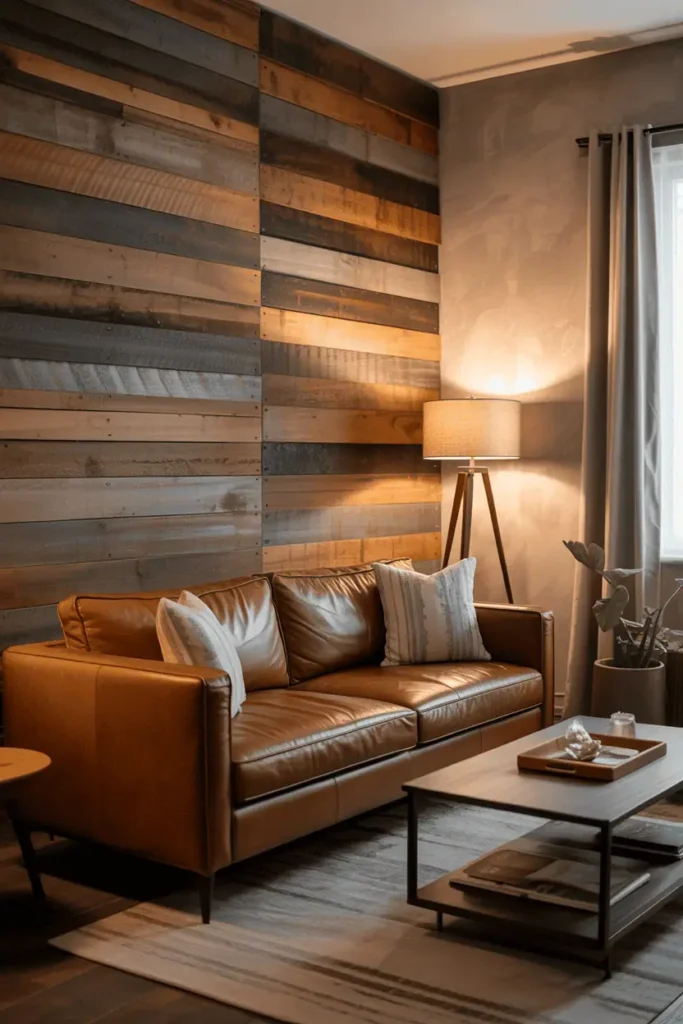
Walls are often overlooked, but a single textured wall can completely change the feel of your living room. Venetian plaster, limewash, and textured paints add subtle sophistication, while reclaimed wood or stone panels bring rustic warmth.
Statement walls also make a perfect backdrop for art or furniture. A leather sofa against a shiplap wall, for instance, instantly blends modern comfort with natural charm. If your style is industrial, highlight an exposed brick wall with directional lighting to emphasize its rugged surface.
3. Introduce Bouclé and Nubby Fabrics
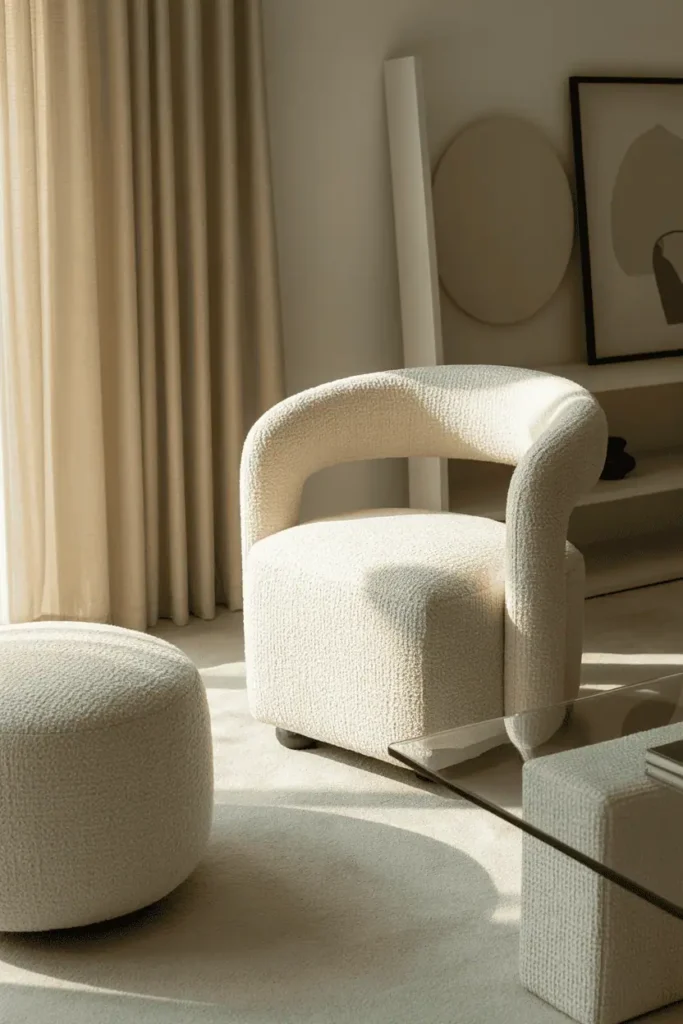
Bouclé has become a favorite in modern design thanks to its soft, looped construction that adds visual and tactile interest. A bouclé accent chair instantly softens a sleek room, while a nubby fabric ottoman or pouf adds cozy appeal.
Pair these tactile fabrics with smoother materials like leather or silk to prevent monotony. For example, a bouclé armchair beside a sleek glass coffee table creates a stylish contrast. These fabrics don’t just look good—they also invite touch, making your living room feel more welcoming.
4. Warm Up with Natural Fiber Rugs
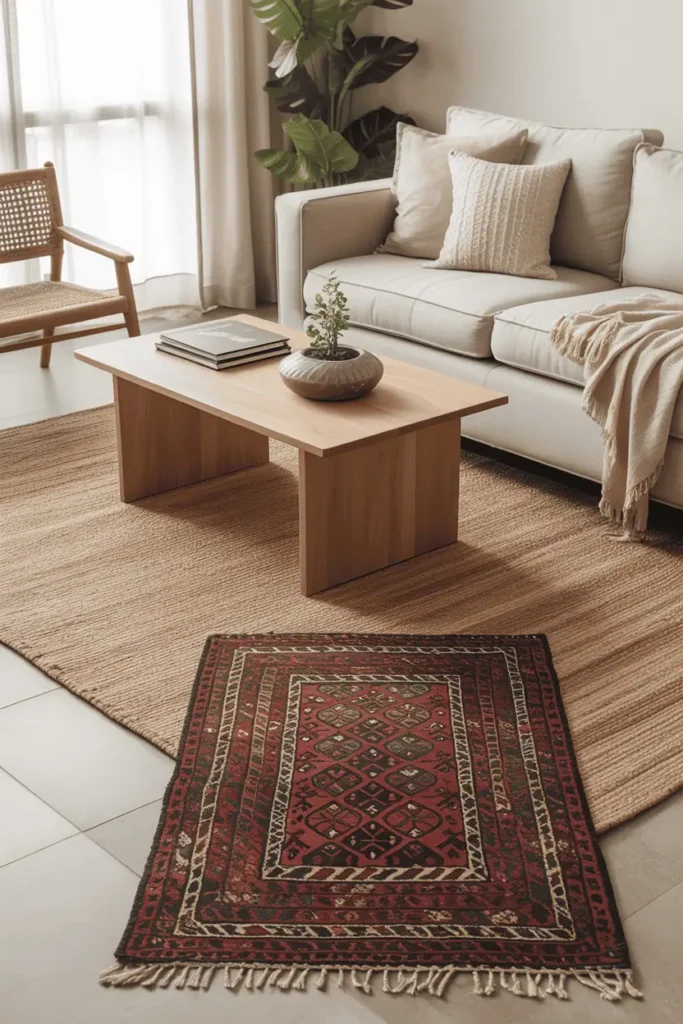
Rugs are a powerful way to anchor a room and add layers of texture. Natural fiber rugs like jute, sisal, and seagrass bring earthy charm and work beautifully as a base layer. High-pile shag rugs, patterned kilims, or Persian rugs add softness and drama.
One design trick is rug layering: place a large neutral jute rug beneath a smaller patterned rug. This defines seating zones while adding depth. For high-traffic areas, low-pile woven rugs are practical and easy to clean, while plush rugs make great additions to reading corners or cozy nooks.
💡 “Want more context on how texture influences comfort and mood? I break it down step by step in my complete textured living room guide.”
5. Highlight Textured Lighting Fixtures
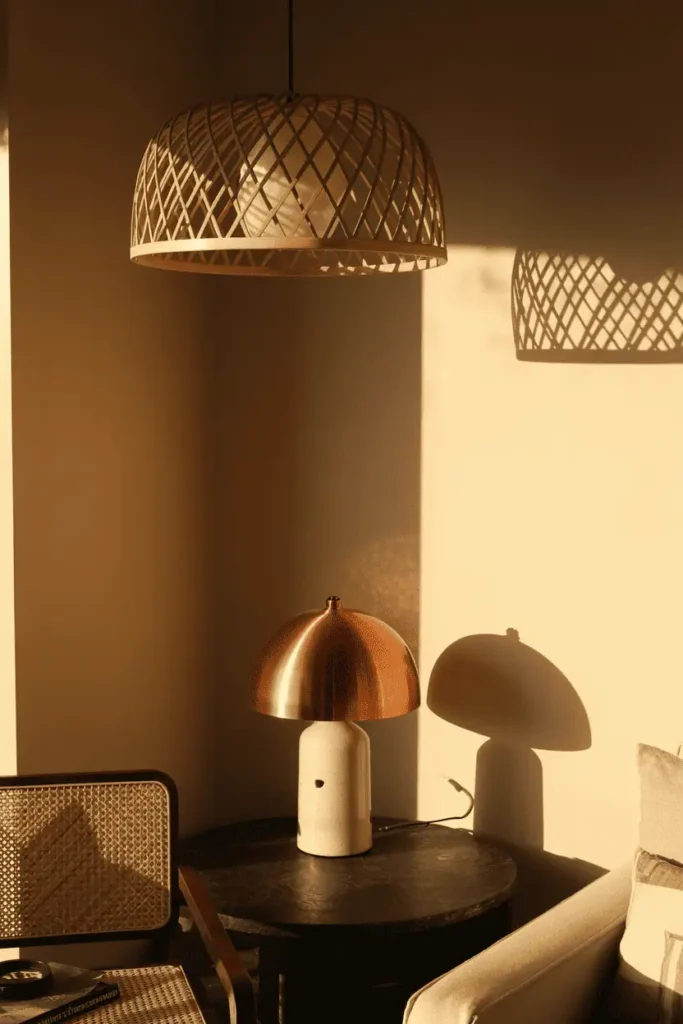
Lighting can be as much about texture as it is about illumination. Woven rattan pendant lights cast enchanting shadows, hammered copper table lamps reflect light in dynamic ways, and ceramic bases bring artisanal character.
Layering light sources also matters. Pair a rattan pendant overhead with hammered metal sconces and frosted glass candleholders. This mix not only creates depth through materials but also through light and shadow. In the evenings, candles in textured holders create a warm, flickering glow that no modern lamp can replicate.
6. Incorporate Organic Natural Elements
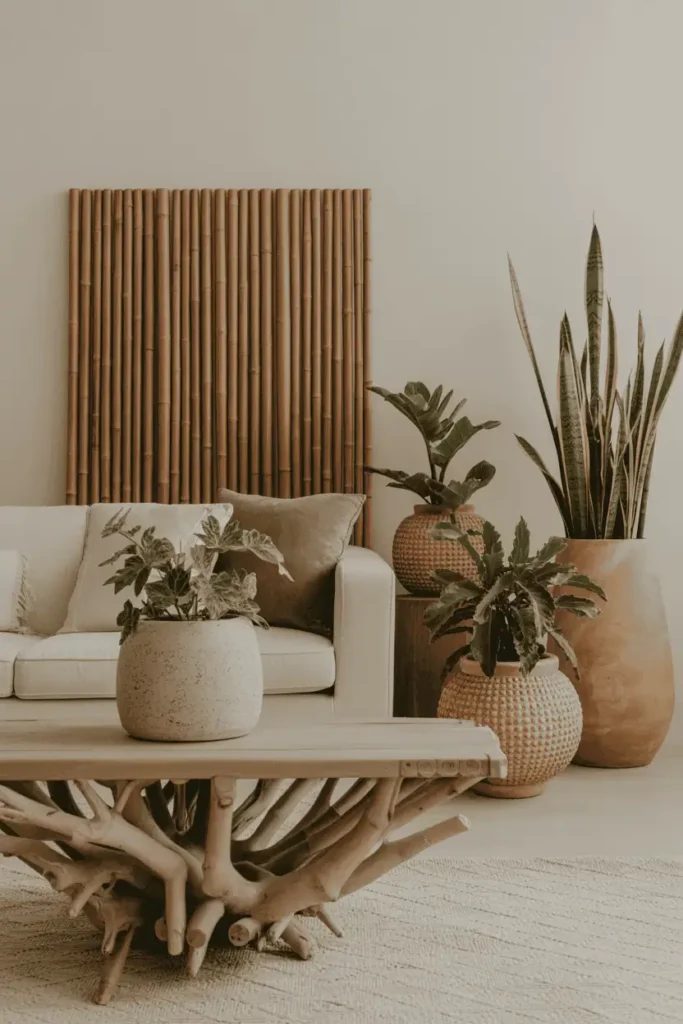
Nothing beats the authenticity of natural textures. Driftwood, bamboo, stone, and live plants bring balance and beauty into your space. A driftwood coffee table tells a story of nature’s design, while bamboo screens divide areas without feeling heavy.
Plants also play a big role in textural design. Place a glossy-leaved monstera in a rough terracotta pot, or group smaller succulents in ceramic planters with hand-carved surfaces. The contrast between the smooth greenery and rugged containers creates stunning visual interest.
7. Play with Industrial and Metallic Finishes
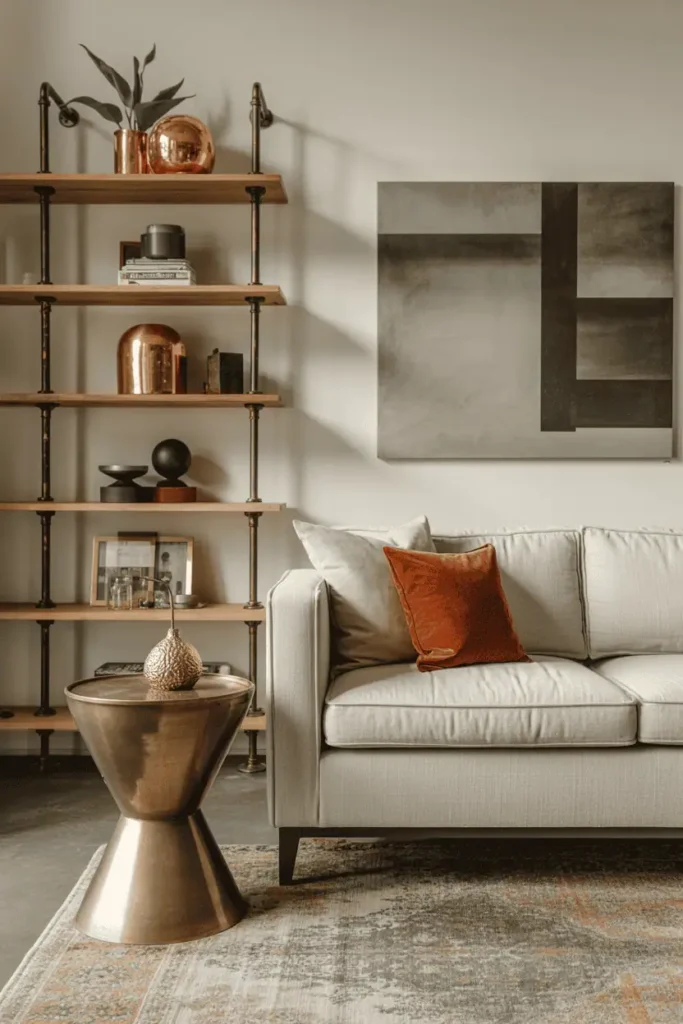
Industrial textures—like iron, steel, and brushed copper—add a bold counterpoint to softer materials. Aged brass frames, pipe shelving, or wire storage baskets bring raw character and highlight the beauty of imperfection.
Use metallics thoughtfully. Too much can feel cold, but when paired with warm fabrics like wool or velvet, they shine (literally and figuratively). For example, a hammered copper side table next to a linen armchair bridges rustic and refined beautifully.
8. Mix and Match Soft Furnishings
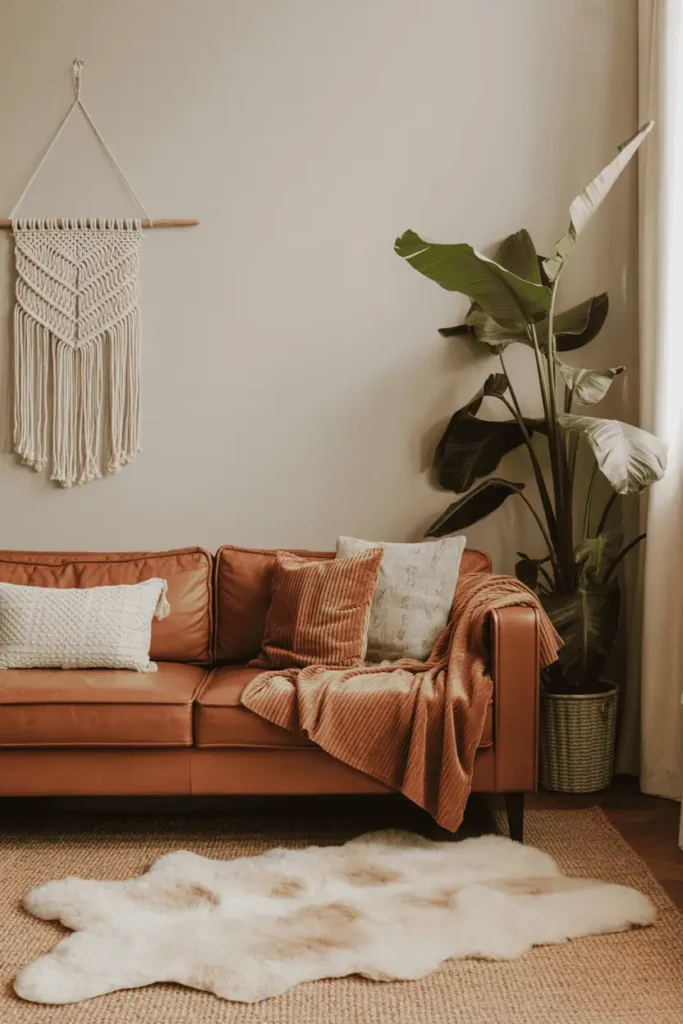
Soft furnishings are the finishing layer that make a space feel cozy. Pair smooth velvet pillows with ribbed corduroy throws, or place a sheepskin rug beneath a leather armchair for a mix of soft and sleek.
Wall decor can also play a role here. Chunky knit or macramé wall hangings introduce softness in unexpected places and add handmade charm. The secret is mixing a variety of scales—large, soft furnishings for comfort, smaller textured accents for detail.
9. Elevate Windows with Textured Treatments
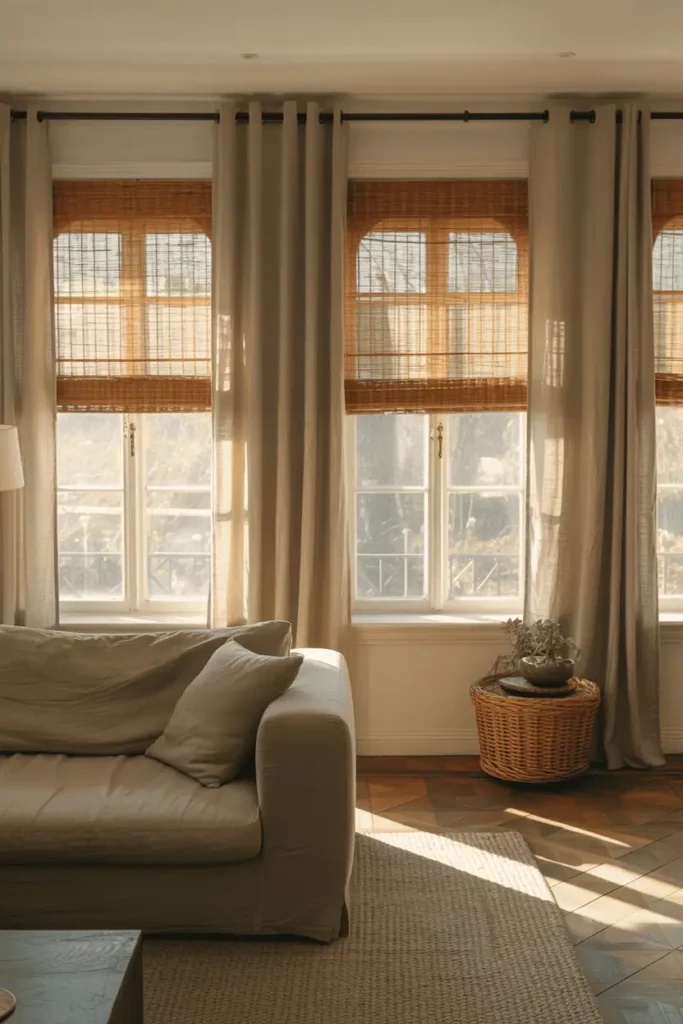
Window treatments often go unnoticed, yet they shape how light and texture play in your living room. Linen curtains bring breezy sophistication, while cotton canvas panels add a casual, structured look. For more depth, layer sheer panels with heavier drapes to control light and create drama.
Woven bamboo or rattan blinds add organic texture and filter sunlight in beautiful patterns. These treatments also ground your space in natural materials, tying together other textures like wood furniture and woven baskets.
10. Curate Sculptural Decor and Accessories
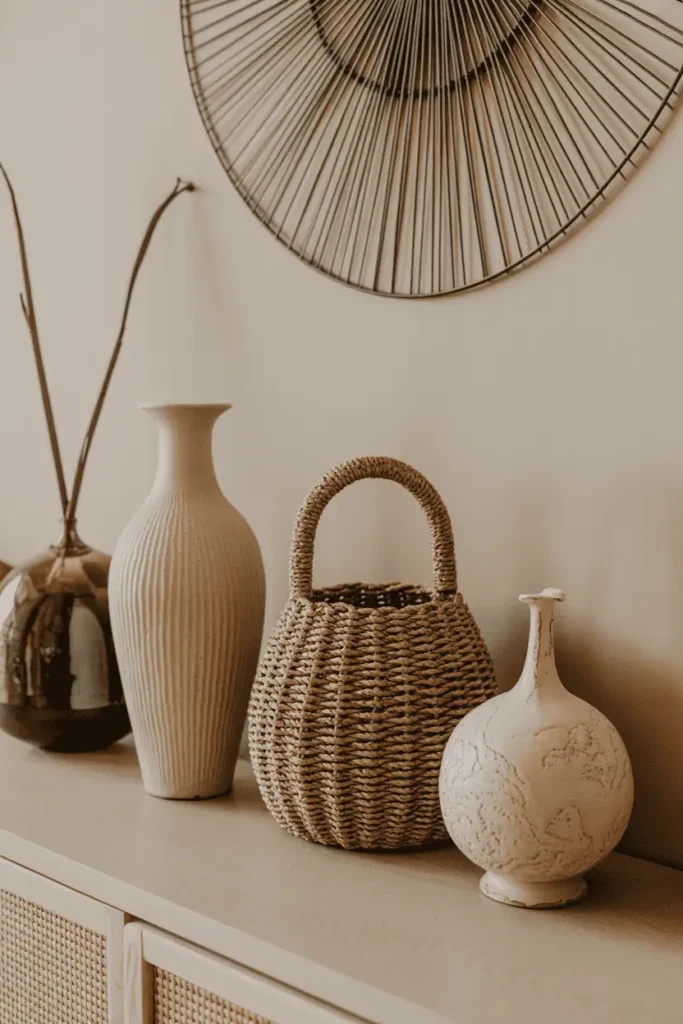
Decorative objects are a powerful way to add character and texture. Handcrafted ceramic vases, sculptural metal wall art, and woven baskets double as both functional and decorative pieces. Their unique finishes tell a story and make your space feel curated.
Think about grouping items of different textures together: a smooth glass vase beside a rough clay pot, or a woven seagrass basket paired with a polished brass tray. These vignettes highlight contrasts and draw the eye around the room.
11. Layer Different Wood Finishes
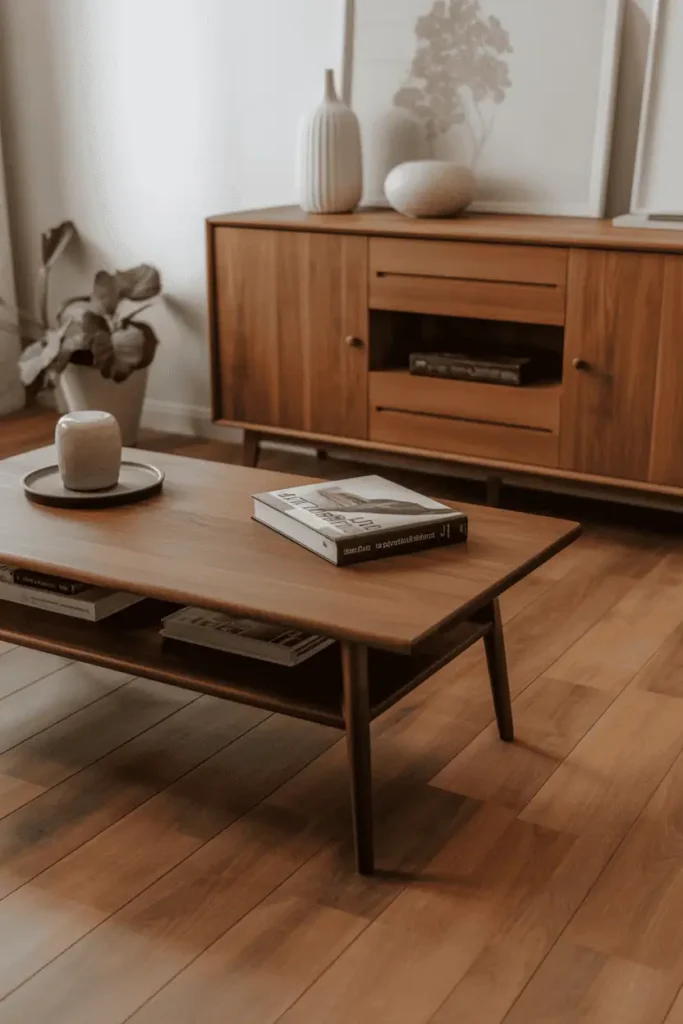
Wood is one of the most versatile textural elements. Instead of sticking to one finish, mix light and dark tones for depth. A walnut coffee table against oak flooring creates contrast, while a weathered pine sideboard adds rustic charm beside a sleek mahogany bookshelf.
Varying wood grains also adds richness. The fine lines of maple contrast beautifully with the rugged knots of reclaimed barn wood. Just remember to keep undertones consistent—warm with warm, cool with cool—for harmony.
12. Use Color to Create Textural Contrast
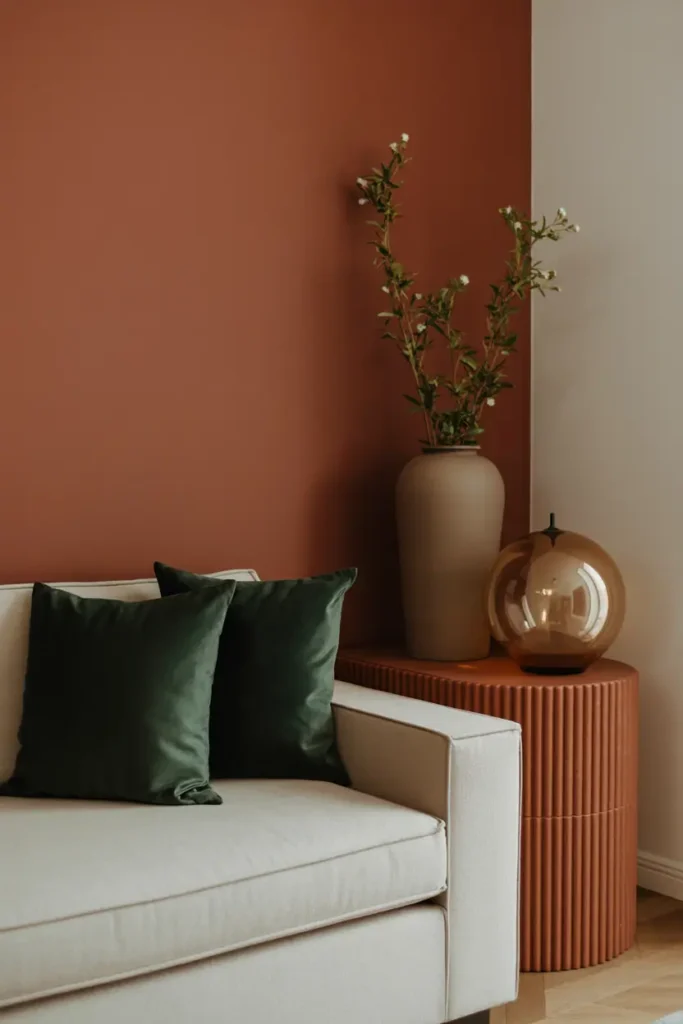
Texture isn’t only about touch—it’s also about how surfaces interact with color and light. Matte finishes absorb light and feel soft, while glossy finishes reflect light and feel sleek. Pair a matte clay vase with a glossy ceramic lamp, or combine flat wall paint with shiny metallic frames.
Color itself can imply texture: deep earthy shades like terracotta feel grounded and tactile, while jewel tones like emerald or sapphire bring richness and depth. By combining color psychology with surface finish, you create layered textures that are as visual as they are physical.
Conclusion
Texture is the secret ingredient that turns a room from flat to fabulous. By layering fabrics, introducing natural materials, and balancing rustic and refined finishes, you can create a living room that feels both stylish and welcoming.
Start small—swap a smooth pillow for a chunky knit one, or add a woven rug beneath your coffee table. As you build layers over time, your living room will become a textured sanctuary full of depth, warmth, and personality.
💡 “These 12 ideas are just the beginning. For a deeper look at how to layer fabrics, balance finishes, and design with texture, read my full post → Textured Living Room: Depth and Warmth Made Simple.”