Mid century modern design has never really gone out of fashion. Decade after decade, it remains one of the most beloved styles for living rooms across the world. What makes it so timeless? It’s the way it balances simplicity and boldness, comfort and sophistication, history and modernity.
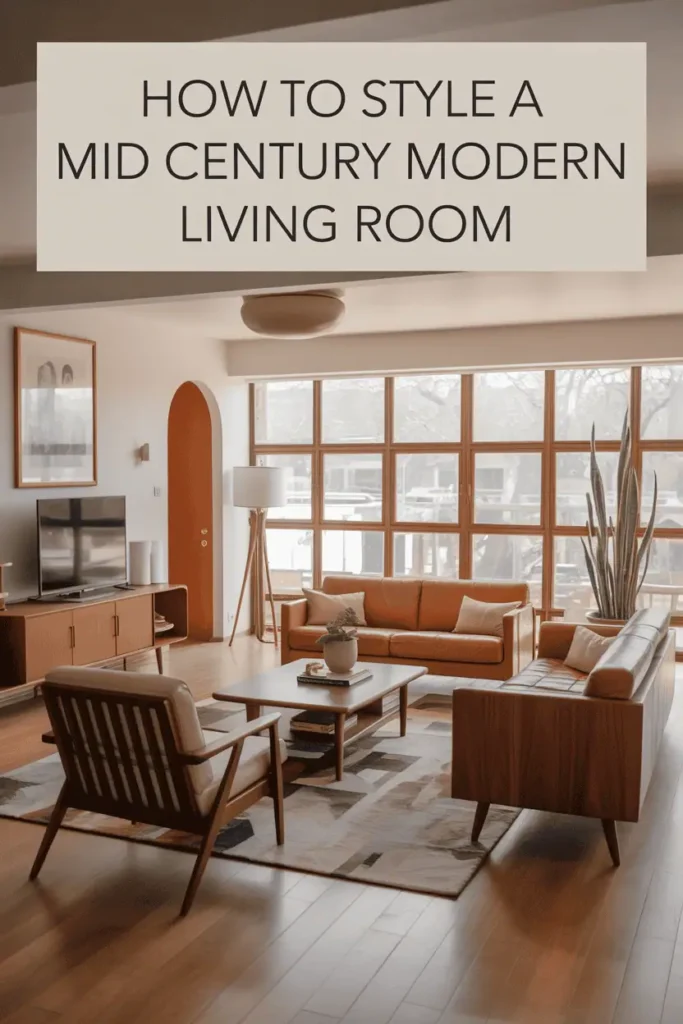
When you step into a well-designed mid century modern living room, you immediately notice how grounded and warm it feels, yet how stylish and elevated it looks. Whether you’re decorating a large suburban home, an airy apartment, or a cozy city condo, mid century modern principles can transform your living room into a space that feels both nostalgic and refreshingly current.
If you’ve been looking for inspiration, here are 10 mid century modern living room ideas that will help you create a space that’s not only stylish, but deeply livable. Each section comes with practical tips, examples, and insights that will help you make the style your own.
1. Clean Lines and Geometric Harmony
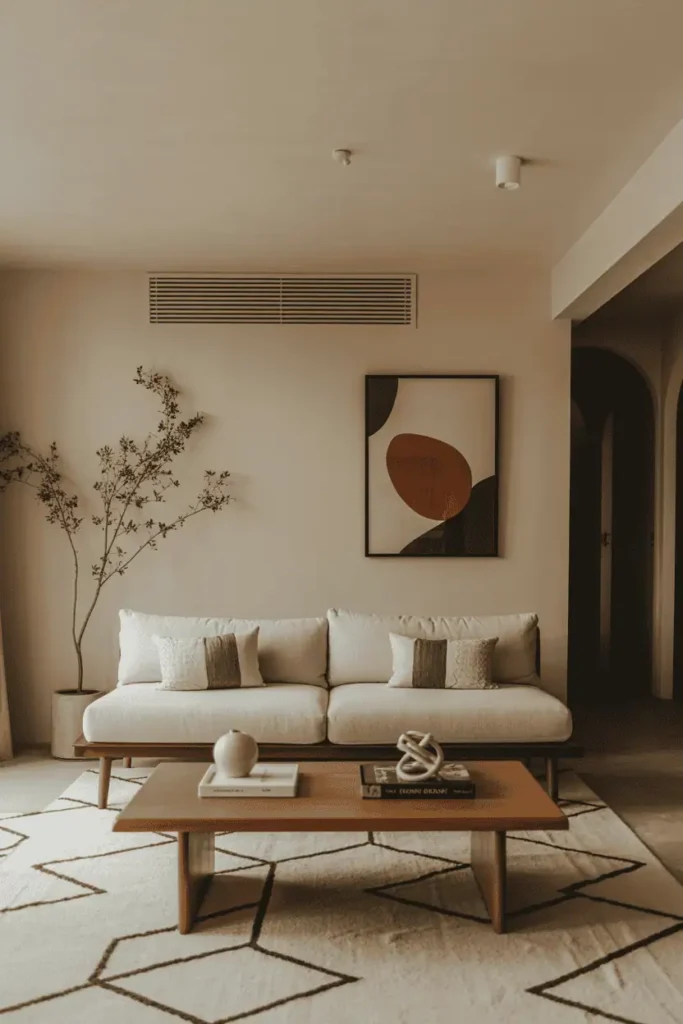
At the heart of mid century modern design are clean lines. Imagine a low-profile sofa with slim tapered legs, a rectangular walnut coffee table, and a sleek media console — these elements don’t compete with each other. Instead, they create a sense of calm order.
The geometry doesn’t stop at furniture. Rugs with angular shapes, pillows with atomic starburst patterns, or curtains with subtle linear designs can all bring structure to your room. The trick is not to overwhelm the eye — keep the palette consistent and repeat shapes throughout the space.
Here’s a practical example: if you choose a sofa with sharp, angular edges, soften the space with a round ottoman or a curvy accent chair. The tension between straight and curved lines is what gives mid century modern rooms their sense of balance.
2. Invest in Iconic MCM Furniture

No mid century modern living room feels complete without at least one iconic piece. These are not just furniture items; they’re design history in physical form.
Think of the Eames Lounge Chair and Ottoman. Not only is it a work of art, but it’s also incredibly comfortable for reading or lounging. If you have the budget, consider it a lifelong investment — these pieces hold their value and never go out of style.
If that’s not within reach, look at pieces like the Noguchi Coffee Table, with its sculptural wooden base and floating glass top. Or a Nelson Platform Bench, which doubles as a seat, table, or display surface.
Even reproductions can elevate your living room. Don’t feel pressured to collect only originals. A carefully chosen replica with quality craftsmanship can deliver the same aesthetic impact without straining your budget.
3. Earthy and Warm Color Palettes

Color plays a huge role in creating the cozy, grounded feeling that mid century modern living rooms are known for. Think of mustard yellows, burnt oranges, deep browns, and soft creams. These hues feel retro, but also surprisingly modern when balanced well.
One practical way to work with color is to start with a neutral foundation. Picture white or beige walls, a gray sofa, and a simple cream rug. Once the neutral base is in place, layer in your accent colors with pillows, throws, and art. The 60-30-10 rule works beautifully here: 60% neutral, 30% secondary color, and 10% bold accent.
For example, you might have 60% white and beige, 30% caramel tones through wooden furniture, and 10% burnt orange through pillows or artwork. This keeps the room harmonious while still giving you that burst of retro energy.
4. Natural Wood Finishes
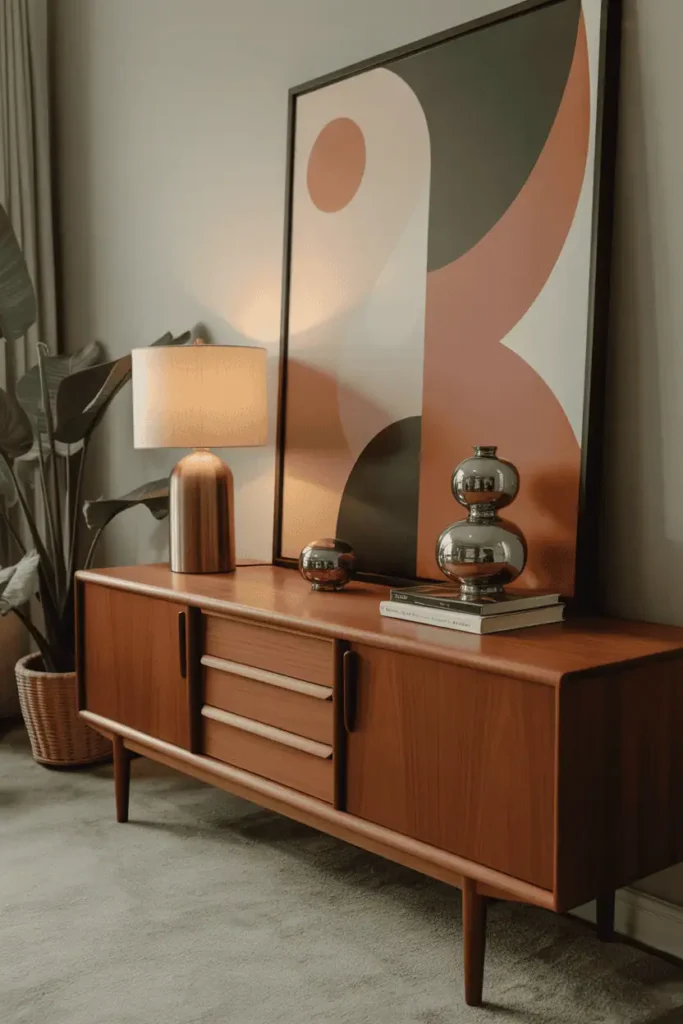
If there’s one material that defines mid century modern interiors, it’s wood. Teak, walnut, and oak were staples of the era and continue to dominate MCM-inspired spaces today.
A walnut sideboard can instantly set the tone in your living room. Pair it with a warm teak coffee table or floating shelves, and you’ll see how the room begins to feel more inviting.
Another great touch is a wood-paneled accent wall. Instead of heavy Victorian-style paneling, mid century versions tend to be smooth, sleek, and horizontal — they add warmth without overwhelming the space.
For smaller touches, look at live-edge tables or built-in wooden storage units. These elements not only ground your space in nature but also add textural richness.
5. Open Floor Plans with Smart Zoning

One of the revolutionary ideas of mid century modern homes was the open floor plan. Families wanted airy, flowing spaces instead of small, closed-off rooms.
Even if you don’t live in a fully open home, you can create that sense of openness by zoning your space. For example, position a sofa to subtly separate the living area from the dining space. Add a console table behind the sofa to further define the boundary without blocking sight lines.
If you live in a small apartment, try using a low bookshelf as a divider. It creates the illusion of separate spaces while maintaining openness. The key is to keep visual connections — when you glance across your living room, the colors, shapes, and lines should feel like part of one larger story.
6. Statement Lighting Fixtures

Lighting is one of the most exciting aspects of mid century modern design. These fixtures aren’t just functional — they’re sculptural works of art.
The Sputnik chandelier is probably the most famous. With arms shooting out in all directions, it feels like a burst of energy in the room. It draws the eye upward and gives your living room a dramatic focal point.
Another favorite is the Arco floor lamp, with its graceful arc extending from a marble base. Perfect for creating a cozy reading nook without needing ceiling wiring.
And don’t forget George Nelson Bubble Lamps — they give off a soft, diffused glow that makes even minimalist spaces feel warm and inviting.
7. Bold Patterns and Retro Artwork
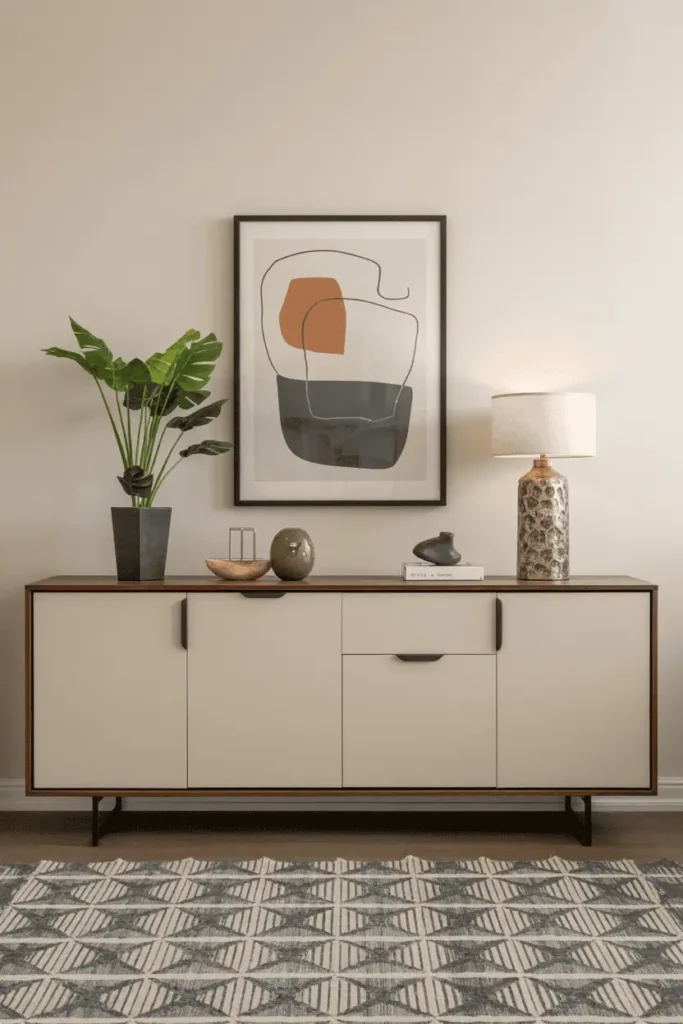
Patterns bring a playful energy to mid century modern interiors. Think abstract wall art, geometric area rugs, and even atomic-age wallpaper.
A great tip is to pick one bold focal point. For example, hang a large abstract canvas over your sofa, then keep the rest of the room simple with solid-color furniture and minimal accessories. This ensures the art makes a statement without overwhelming the space.
If you’re hesitant about wallpaper, try it on just one accent wall. A subtle starburst or boomerang pattern can add dimension while staying true to the mid century aesthetic.
Textiles also matter — swap in throw pillows with angular motifs or a rug with bold stripes. These smaller touches are an easy way to experiment with patterns without committing long-term.
8. Mixing Materials and Textures

Mid century modern isn’t just about looks — it’s about how a space feels. Mixing materials is a great way to add depth.
Picture this: a walnut credenza topped with a brass lamp, beside a glass vase, sitting on a stone fireplace ledge. Each material tells its own story, but together they create harmony.
Textiles play a role too. Leather sofas paired with linen pillows, a wool rug, and a jute ottoman — suddenly the space feels layered and inviting.
The goal is balance. Pair smooth with rough, shiny with matte, heavy with light. That’s what keeps the room visually engaging.
9. Stylish, Functional Storage
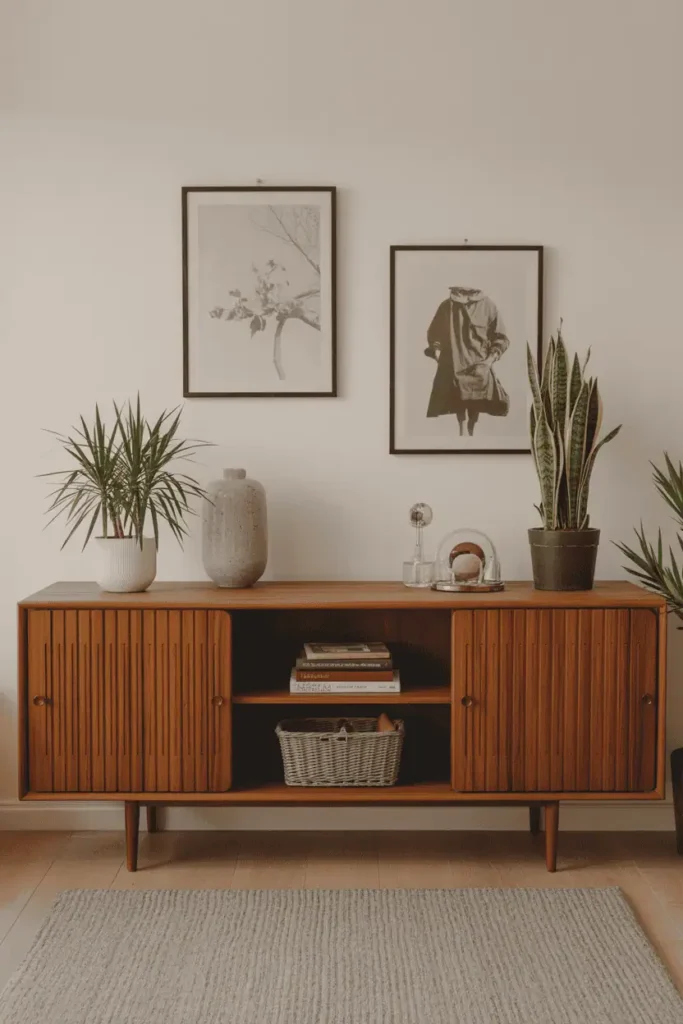
Mid century modern design was created for families who needed practical solutions. Storage has always been a key part of the style.
A Danish modern credenza is the perfect example. It hides away clutter but also provides a surface for decor — plants, lamps, or books.
If you’re tight on space, consider a storage ottoman. It doubles as extra seating, a coffee table, and a place to stash blankets.
Built-in shelving is another great idea, especially if you want to showcase a collection of books, ceramics, or vintage finds. Just remember: mid century design thrives on balance, so keep some empty space to avoid looking cluttered.
10. Bringing Nature Indoors
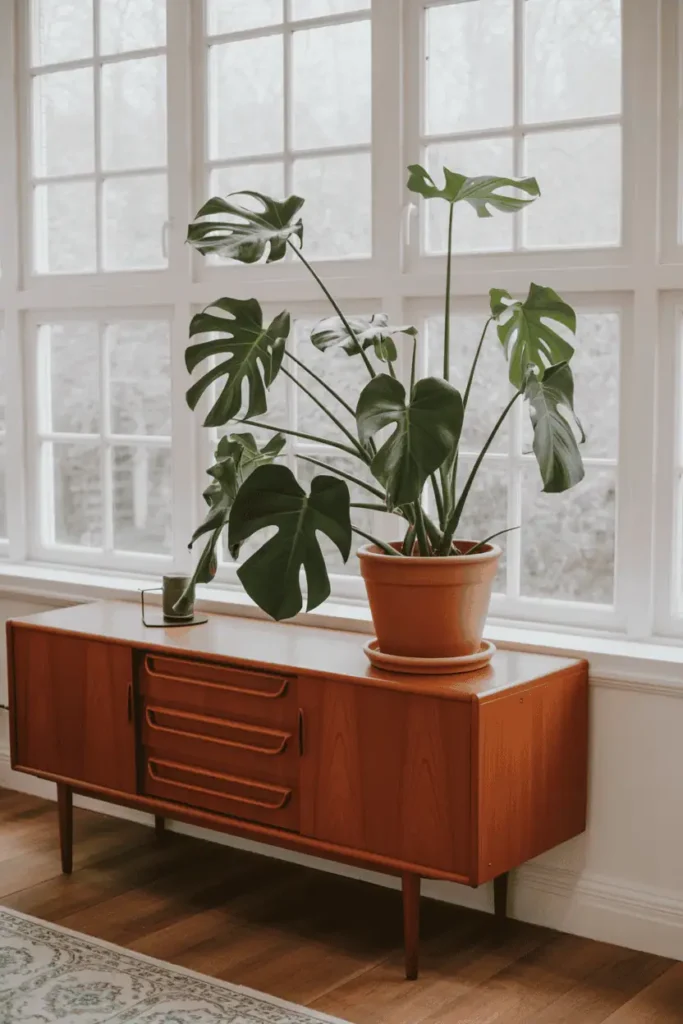
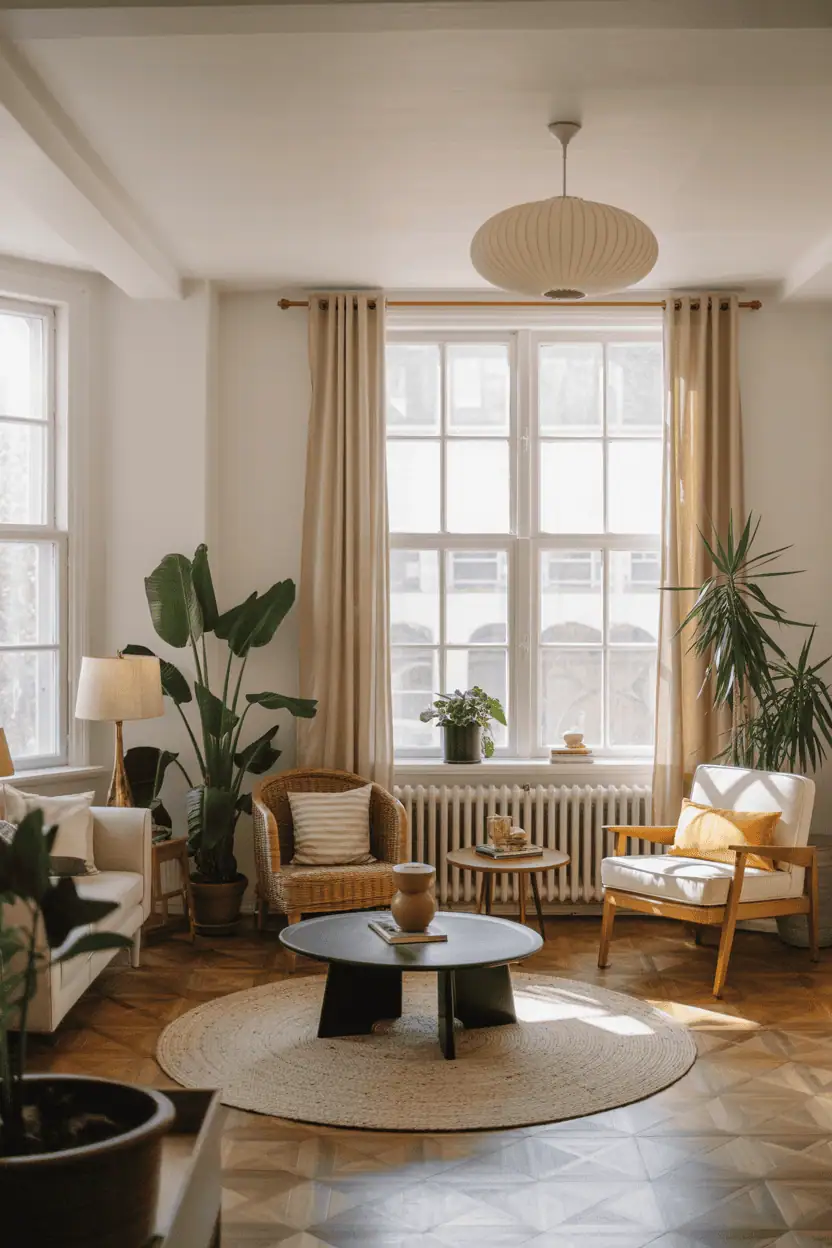
Finally, no mid century modern living room is complete without a touch of nature. Large windows and simple window treatments were a hallmark of the era, letting natural light flood the space.
If you don’t have huge windows, lean into indoor plants. Fiddle leaf figs, snake plants, and monsteras thrive in MCM-style homes. Their organic shapes contrast beautifully with the clean lines of the furniture.
Another way to bring nature inside is through organic forms — think kidney-shaped coffee tables, stone accents, or sculptural ceramics. These add softness and connect your space back to the natural world.
Why These Ideas Endure
What makes mid century modern design so enduring is its flexibility. You don’t have to adopt every element at once. Start small: maybe a geometric rug, a single iconic chair, or a new earthy color palette. Over time, layer in more pieces until your space feels complete.
This isn’t just a style — it’s a philosophy. It celebrates comfort and functionality while never sacrificing beauty. When you embrace these ideas, you’re not just decorating a room; you’re creating a living space that supports your daily life while also bringing joy and inspiration.
Your dream mid century modern living room is within reach. All it takes is a little planning, a few iconic pieces, and the willingness to let timeless design principles guide you.